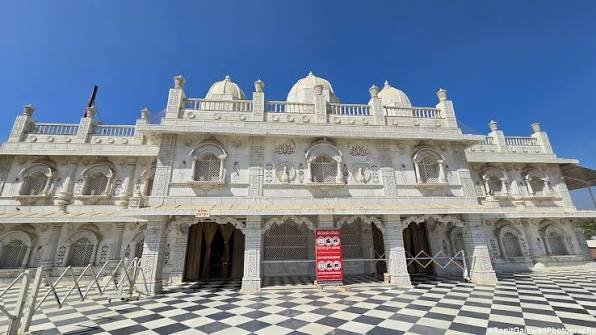
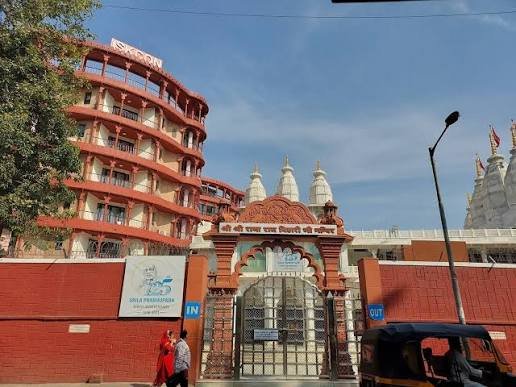
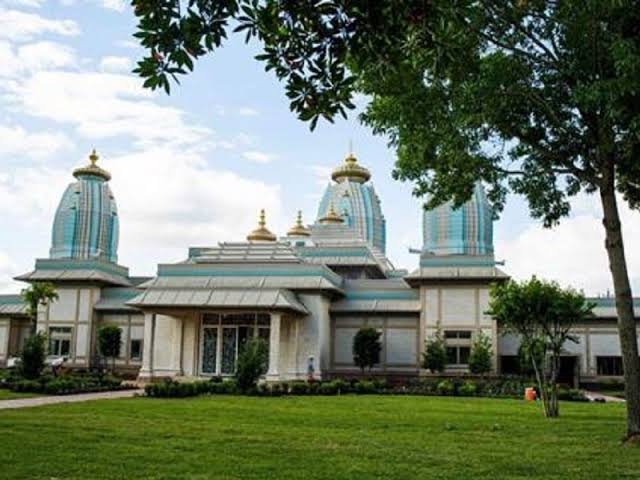
ISKCON Temple Jaipur brings a striking piece of modern temple architecture to Rajasthan’s Pink City, its glass windows and contemporary design standing out even among Jaipur’s rich collection of historic shrines. Known as Sri Sri Giridhari Dauji Temple, this ISKCON centre in Dholai village near Mansarovar has become one of the city’s most visited spiritual destinations since its inauguration in 2012, drawing both devotees and design-conscious visitors curious about its distinctive glasswork, which comes alive under the evening lights. Here’s a complete guide to the temple’s address, daily timings, and how to reach it.
ISKCON Jaipur Overview
| Detail | Information |
| Official Name | Sri Sri Giridhari Dauji Temple |
| Popular Name | ISKCON Temple Jaipur |
| Deities | Sri Sri Giridhari Dauji (Krishna Balaram), Sri Radha Mohan, Sri Jagannath |
| Inaugurated | 2012 |
| Address | Village Dholai, New Sanganer Road, Opposite Vijay Path, Mansarovar, Jaipur, Rajasthan – 302020 |
| Entry Fee | Free (camera charges may apply) |
| Morning Darshan | 4:30 AM – 1:00 PM |
| Evening Darshan | 4:00 PM – 8:30/9:00 PM |
| Afternoon Closure | 1:00 PM – 4:00 PM |
| Facilities | Deity hall, Govinda’s vegetarian restaurant, gift shop |
| Contact | +91-141-2781860, +91-9649689649 |
| Nearest Railway Station | Sanganer Railway Station |
| Distance from Jaipur Railway Station | Approx. 13.4 km |
| Distance from Jaipur Airport | Approx. 7.9 km |
| Ideal Visit Duration | 1 – 1.5 hours |
Modern Architecture With a Community Focus
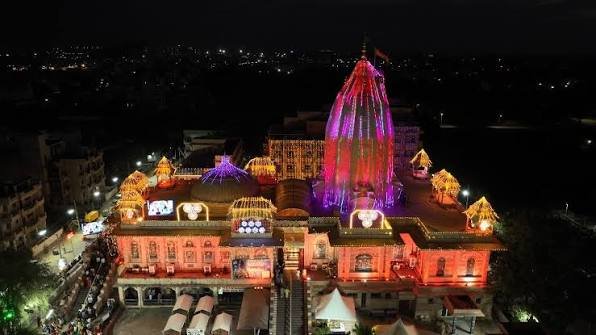
What sets this temple apart visually is its contemporary design language — a departure from the more traditional stone-and-marble style seen at many older ISKCON centres, with distinctive glass windows that visitors frequently mention as especially beautiful when lit up at night. Beyond worship, the temple runs an active community program that includes cow protection initiatives, book distribution, and free meal programs for school children, reflecting ISKCON’s broader mission alongside its daily religious activities.
Daily Darshan and Aarti Schedule
The temple runs a full daily program from before dawn to night, with seasonal adjustments to some evening timings.
- Mangala Aarti – around 4:30 AM, opening the day’s worship
- Tulasi Aarti – around 5:00 AM
- Shringar Darshan and Guru Puja – around 7:15–7:30 AM
- Srimad Bhagavatam Class – around 8:00 AM
- Dhoop Aarti – around 8:30 AM
- Raj Bhoga Aarti – around 12:00–12:30 PM, closing the morning session
- Temple closes – around 1:00 PM
- Pushpa Aarti – around 4:00 PM, marking the evening reopening
- Sandhya Aarti – around 6:30 PM in winter, 7:00 PM in summer
- Srimad Bhagavad Gita Class – around 7:00–7:30 PM depending on season
- Shayana Aarti – around 8:30–8:45 PM
- Temple closes for the night – around 8:45–9:00 PM
A few practical notes:
- Evening aarti timings shift slightly between winter and summer, so it’s worth confirming the current season’s schedule if you’re timing your visit precisely.
- Many visitors recommend attending the evening aarti specifically, both for the devotional atmosphere and to see the temple’s glass architecture illuminated after dark.
- The temple is closed daily during the afternoon, so plan around either the morning or evening block.
- Missing the aarti by even a few minutes is a common visitor complaint, so arriving a little early is worthwhile if attending a specific ritual matters to you.
How to Reach ISKCON Temple Jaipur
By Train:
- Sanganer Railway Station is the closest to the temple, given its Dholai/Mansarovar location.
- Jaipur Railway Station (Jaipur Junction), the city’s main railhead, is about 13.4 km away, with autos and taxis available for the onward journey.
By Air:
- Jaipur International Airport is roughly 7.9 km from the temple, making it one of the more airport-convenient major temples in the city — a private taxi typically covers this distance in 20–25 minutes.
By Road:
- From the Jaipur bus stand, the temple is about 15.3 km away, reachable by taxi, auto, or city bus.
- The temple sits just off New Sanganer Road, opposite Vijay Path in Mansarovar, a well-known residential and commercial part of the city that most local drivers will recognise.
By Metro:
- Taking an auto from Chandpole Metro Station, roughly 12 km away, is one option, though a direct taxi from anywhere in Jaipur is generally considered more convenient and time-efficient.
What to Expect at the Temple Complex
Beyond the main deity hall, the complex includes a few features worth knowing about before you visit:
- Govinda’s restaurant – serving vegetarian prasadam-style food, a good option for a meal after darshan
- Gift shop – offering books, deity items, and other spiritual merchandise
- Large sitting area – suited for kirtan and quiet reflection beyond just the darshan itself
- Community programs – including cow protection and free meal schemes for school children, which occasionally have their own visiting or volunteering opportunities
Frequently Asked Questions
Q1. What makes ISKCON Jaipur’s architecture different from other ISKCON temples?
The temple is known for its more modern design and distinctive glass windows, which many visitors specifically highlight as especially striking when lit up in the evening — a departure from the traditional stone architecture of many older ISKCON centres.
Q2. Which is the more convenient way to reach the temple — from the airport or the railway station?
The airport is considerably closer at roughly 7.9 km (about 20–25 minutes by taxi), compared to around 13.4 km from Jaipur Railway Station, so airport arrivals have a shorter onward journey.
Q3. Are there different aarti timings between winter and summer?
Yes, the evening Sandhya Aarti and subsequent Bhagavad Gita class shift by about 30 minutes between winter (around 6:30–7:00 PM) and summer (around 7:00–7:30 PM), so it’s worth checking the current seasonal schedule.
Q4. Does the temple offer anything beyond regular darshan, like community programs?
Yes, alongside daily worship, the temple runs cow protection initiatives, book distribution, and free meal programs for school children, reflecting a broader community focus beyond just religious services.