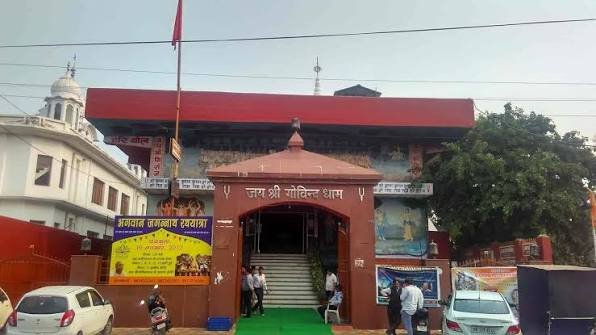
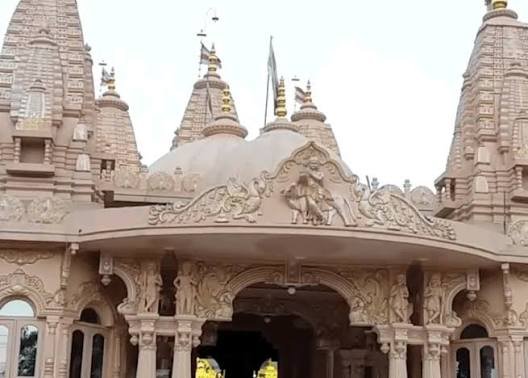
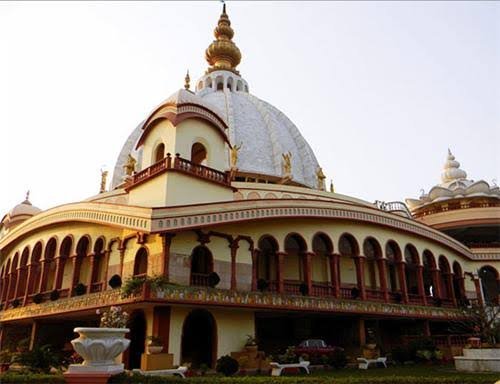
ISKCON Temple Rajkot brings the calm devotional atmosphere of Krishna Consciousness to Saurashtra’s largest city, its Kalavad Road location drawing a steady stream of visitors since the temple was first established in 1988. Officially known as Sri Sri Radha Neelmadhav Dham, this shrine has become a well-known stop for Rajkot residents and travellers alike, particularly appreciated for its clean, well-managed campus and the musical aarti that draws especially large crowds on Sunday evenings. Here’s a complete guide to the temple’s exact address, daily timings, and how to reach it.
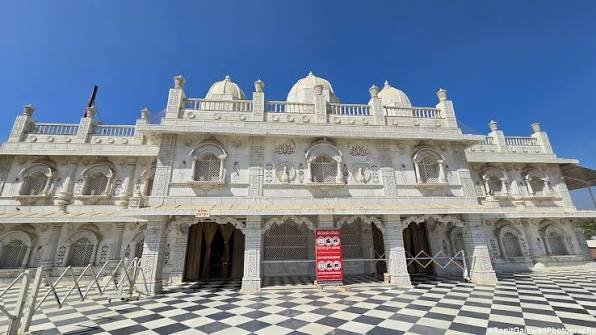
ISKCON Rajkot Overview
| Detail | Information |
| Official Name | Sri Sri Radha Neelmadhav Dham |
| Popular Name | ISKCON Temple Rajkot |
| Established | 1988 |
| Address | Kalavad Road, Opposite Kankot Patiya, Mota Mava, Rajkot, Gujarat |
| Entry Fee | Free |
| Morning Darshan | 4:30 AM – 1:00 PM (some listings show a later 5:00/5:30 AM start) |
| Evening Darshan | 4:15/4:30 PM – 8:30 PM |
| Dress Code | Traditional or formal clothing |
| Prasad | Available |
| Photography | Not allowed inside the sanctum |
| Distance from City Centre | Approx. 10–12 km |
| Nearest Airport | Rajkot International Airport (HSR), approx. 15 km |
| Best Time to Visit | August to March; late afternoon (5–8 PM) for the ideal experience |
| Ideal Visit Duration | 1 – 1.5 hours |
A Long-Established Presence on Kalavad Road
Founded in 1988, ISKCON Rajkot has had decades to grow into its role as one of the region’s significant Krishna Consciousness centres, organizing religious and cultural events throughout the year alongside its daily worship schedule. The temple sits somewhat outside the immediate city centre on Kalavad Road, near the intersection with the 150-foot Ring Road, giving the campus more breathing room and a calmer setting than a temple squeezed into denser inner-city streets.
Daily Darshan and Aarti Schedule
Reported timings vary slightly across sources, but the temple broadly follows this rhythm through the day:
- Mangala Aarti – around 4:30 AM (some listings note a later 6:00–6:30 AM opening aarti)
- Morning darshan – continues through the late morning, generally up to around 12:30–1:00 PM
- Sringar Aarti – around 7:15 AM
- Afternoon closure – roughly 1:00 PM to 4:15/4:30 PM
- Evening darshan reopens – around 4:15–4:30 PM
- Sandhya (Evening) Aarti – around 7:00 PM, generally the most attended session, especially lively on Sundays
- Temple closes – around 8:30 PM
A few practical points to keep in mind:
- Sunday evenings feature a particularly musical aarti that draws larger-than-usual crowds — worth attending if you want to experience the temple at its liveliest, or worth avoiding if you prefer a quieter visit.
- The exact morning opening time differs by source (4:30 AM versus a later 5:00–6:30 AM start), so confirming with the temple directly is wise if you’re planning around the very first darshan.
- Timings stay fairly consistent year-round, though it’s always worth checking specific aarti times closer to your visit.
- The ideal visit window, according to most local guides, is the late afternoon between 5 PM and 8 PM, when the weather is more comfortable and the evening atmosphere builds toward Sandhya Aarti.
How to Reach ISKCON Temple Rajkot
By Air:
- Rajkot International Airport (HSR) is approximately 15 km away, connected to the temple via a direct taxi or cab ride along Kalavad Road, typically taking 25–30 minutes.
By Train:
- Rajkot Junction Railway Station serves the city and is well connected to major destinations across Gujarat and beyond; from the station, autos and cabs cover the remaining distance to the temple, roughly 10–12 km.
By Road:
- The temple sits at the intersection of Kalavad Road and the 150-foot Ring Road, making it accessible by auto-rickshaw, BRTS bus, or private vehicle.
- While somewhat on the outskirts, the temple is easily reached from central Rajkot, with ample parking space available outside the premises.
By Bus:
- Rajkot’s local bus network, including BRTS routes along Kalavad Road, offers a budget-friendly option for reaching the temple area, followed by a short walk or auto ride to the entrance.
Nearby Attractions Worth Combining With Your Visit
If you’re planning a half-day out, a few nearby spots pair well with a temple visit:
- Jubilee Garden – a popular recreational space in the city, useful for a relaxed walk before or after darshan
- Other Kalavad Road landmarks and commercial areas, given the temple’s location along one of Rajkot’s key arterial roads
Tips for a Comfortable Visit
- Dress in traditional or formal clothing, as expected at the temple.
- Photography isn’t permitted inside the main sanctum, so plan to simply take in the aarti rather than trying to capture it.
- If you’re specifically hoping to catch the well-known Sunday evening musical aarti, arrive a little earlier than usual, since it draws larger crowds than a typical weekday visit.
- Since the temple is a short distance from the city centre, factor in the 25–30 minute travel time from the airport or a similar duration from the railway station when planning your schedule.
Frequently Asked Questions
Q1. Is there an entry fee to visit ISKCON Temple Rajkot?
No, entry is completely free for all visitors, as is the case with ISKCON temples generally.
Q2. What makes the Sunday evening visit different from a regular weekday visit?
Sunday evenings feature a particularly musical version of the Sandhya Aarti that draws larger, more festive crowds — a good choice if you want a lively devotional experience, though weekdays offer a calmer alternative.
Q3. How far is the temple from Rajkot’s city centre, and is it easy to reach without a private vehicle?
The temple is roughly 10–12 km from the city centre; while somewhat on the outskirts, it’s easily accessible by auto-rickshaw or BRTS bus in addition to private vehicles, so a private car isn’t strictly necessary.
Q4. What is generally considered the best time of day and year to visit?
Late afternoon, between 5 PM and 8 PM, is considered the ideal time of day, catching the evening’s more comfortable weather and building atmosphere; for the best season overall, August to March tends to offer more pleasant travel conditions than Rajkot’s peak summer heat.