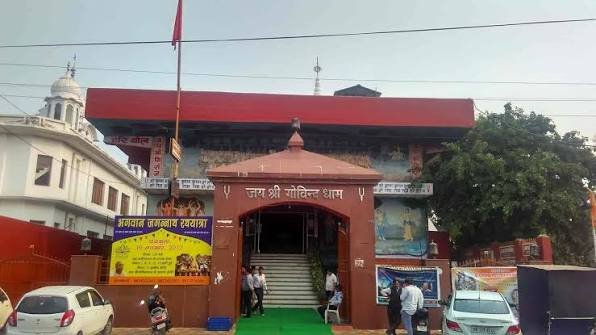
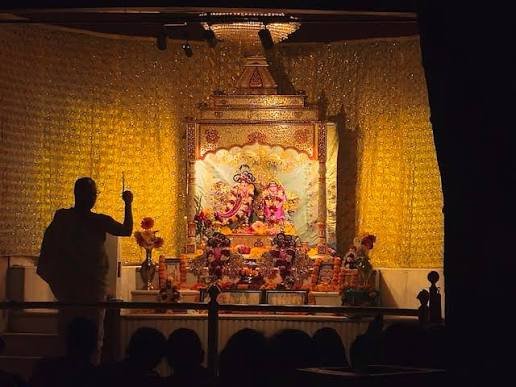
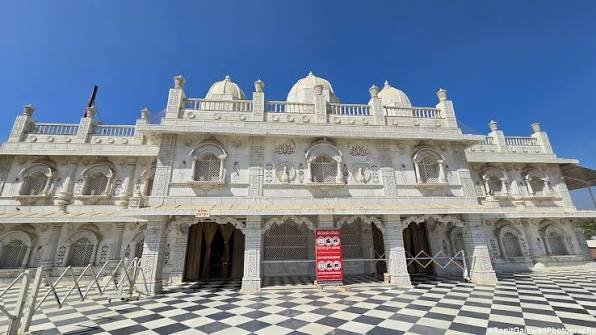
ISKCON Temple Juhu is one of Mumbai’s most visited spiritual landmarks, drawing lakhs of devotees and travellers every year to its marble sanctum just steps from Juhu Beach. Officially named Sri Sri Radha Rasabihari Temple, this four-acre complex was built under the guidance of Srila Prabhupada, founder of the International Society for Krishna Consciousness, and remains closely tied to his legacy — he spent part of his final years connected to this very project. For anyone planning a visit, here’s a complete breakdown of the temple’s location, daily schedule, and the easiest ways to get there.
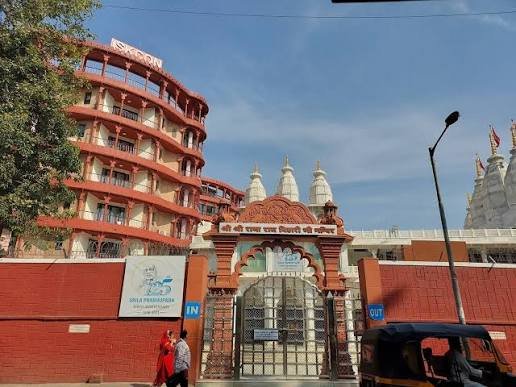
ISKCON Juhu Overview
| Detail | Information |
| Official Name | Sri Sri Radha Rasabihari Temple |
| Popular Name | ISKCON Temple Juhu |
| Deities | Radha Rasabihari, Sita-Rama-Lakshmana-Hanuman, Gaur-Nitai |
| Address | Hare Krishna Land, Sri Mukteshwar Devalaya Road, Sainath Nagar, MHADA Colony, Juhu, Mumbai – 400049 |
| Year Established | 1978 |
| Founder | A.C. Bhaktivedanta Swami Prabhupada |
| Entry Fee | Free |
| Morning Darshan | 4:30 AM – 1:00 PM |
| Evening Darshan | 4:30 PM – 9:00 PM |
| Dress Code | Traditional or formal attire |
| Photography | Not permitted inside the sanctum |
| Prasad/Food | Available; Govinda’s restaurant on campus |
| Nearest Railway Station | Vile Parle (Western Line), approx. 3 km |
| Nearest Airport | Chhatrapati Shivaji Maharaj International Airport, approx. 5 km |
| Ideal Visit Duration | 1.5 – 2 hours |
Location and How to Get There
Tucked into Hare Krishna Land on Juhu Tara Road, the temple sits within a leafy campus that also houses guesthouses, gardens, and a restaurant — a short walk from Juhu Beach in the heart of western Mumbai’s busiest seaside neighbourhood.
By Train:
- Vile Parle railway station on the Western Line is the nearest stop, roughly 3 km from the temple.
- From Vile Parle, autos and taxis reach the temple in about 10–15 minutes depending on traffic.
By Road:
- From Churchgate, the distance is around 18 km; from CSMT it’s about 22 km — both roughly 45–60 minutes by road depending on traffic conditions.
- The temple is well connected by BEST buses running along Juhu Tara Road and SV Road.
- Cab aggregators and autos are readily available throughout the day, and the temple has designated parking within its campus for private vehicles.
By Air:
- Being just 5 km from Mumbai’s international airport, the temple is a convenient stop for travellers with a layover or those arriving in the city for the first time.
Darshan and Aarti Schedule
The temple’s day is structured around a set of aartis that begin before sunrise and continue until night, with a short daytime break for the deities.
- Mangala Aarti – around 4:30 AM, the first ritual that opens the temple
- Tulsi Puja – around 5:15 AM
- Shringar Darshan – around 7:15 AM, when the deities are dressed and the curtains open for a fuller view
- Guru Puja – around 7:30 AM
- Bhagavatam Discourse – around 8:00 AM
- Raj Bhoga Aarti – around 12:30 PM, marking the last darshan before the midday closure
- Temple gates reopen – around 4:30 PM
- Sandhya (evening) Aarti – around 7:00 PM, typically the most crowded and musically vibrant session
- Bhagavad Gita Discourse – shortly after evening aarti
- Shayana Aarti – around 8:30 PM, the final ritual before the temple closes for the night
A few points to keep in mind while planning your visit:
- The temple observes a midday gap; darshan generally pauses between 1:00 PM and 4:30 PM, so plan around this window.
- Sunday evenings often include extended programs — kirtan sessions, discourses, and community feast prasadam — that draw larger crowds than weekdays.
- Aarti timings can shift slightly during major festivals, so it helps to confirm on the temple’s official channels closer to your visit date if you’re travelling from out of town.
Best Time to Plan Your Visit
Depending on what you’re looking for from your trip, the ideal time window changes:
- Early morning (before 8 AM): Quieter, more contemplative atmosphere — ideal if you want unhurried darshan time.
- Midday: A good option for a quick spiritual stop if you’re combining the temple with other Juhu Beach sightseeing.
- Evening aarti (around 7 PM): The liveliest time of day, with collective chanting and drums — best if you want to experience the temple’s devotional energy at its peak, though it does get crowded.
- October to February: Mumbai’s cooler months make for a more comfortable overall visit, particularly if you’re combining the temple trip with a beach walk.
Festivals Celebrated at the Temple
ISKCON Juhu hosts several major Vaishnava festivals through the year, and these are worth building into your travel plans if you want to see the temple at its most festive:
- Janmashtami – the temple’s biggest celebration, marking Lord Krishna’s birth with midnight rituals and massive footfall
- Radhashtami – celebrating the appearance of Radha
- Ram Navami and Rath Yatra
- Makar Sankranti
- Gaur Purnima and Narasimha Jayanti
- Kartik month observances, which run through a full lunar month with special evening programs
Frequently Asked Questions
Q1. Do I need to book tickets or slots in advance to visit ISKCON Temple Juhu?
No, entry is free and no advance booking is required for general darshan; you can walk in during any of the open hours.
Q2. Is there a place to eat near the temple?
Yes, the temple campus houses Govinda’s restaurant, known for its vegetarian thalis, along with prasad counters for devotees.
Q3. What is the closest railway station to reach the temple by local train?
Vile Parle station on the Western Line is closest, about 3 km away, from where autos and cabs are easily available.
Q4. Is the temple crowded on weekdays too, or only on weekends?
Weekday mornings are generally calmer for darshan, while weekend evenings and Sunday programs tend to draw significantly larger crowds due to extended discourses and community prasadam.